
Identifying and Preventing Diamond Willow Fungus in Edmonton, Alberta
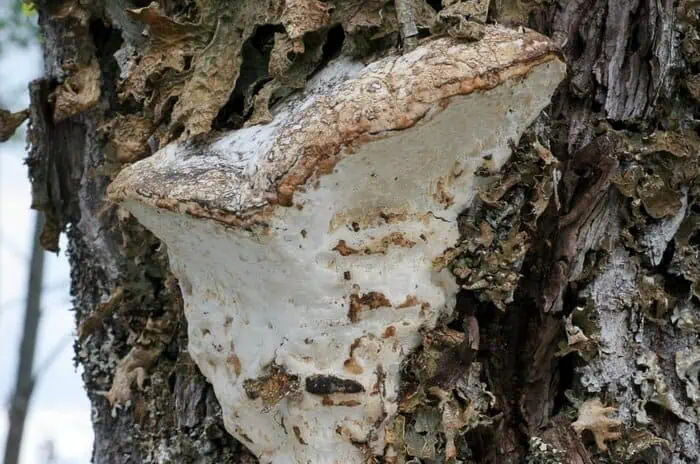
Diamond Willow Fungus refers to the fungi that grows on the sides of willow trees. Typically having white, black or brown colouring, the name doesn’t appear to reference a single type of fungi, with sources referring to Diamond Tree Fungus as coming from the Haploporus Odorus, Valsa Sordida, or Haploporus Adorus family. However, the distinctive shelf-like cap and smell make it easy to identify Diamond Willow Fungus in the wild. The cap is diamond-shaped and has a smell similar to anise. Its odor is usually noticeable before you see the fungus. An Edmonton arborist can help you identify the fungus.
Diamond Willow Fungus is mainly found in northern Alberta and British Columbia in North America, or anywhere north of the 51st parallel. It typically grows on willow trees in damp areas of forests or wooded wetlands. The name doesn’t refer to a single tree species, but rather the unique scarring it leaves on the otherwise regular willow trees it affects. These scars resemble the faceted surface of a diamond, and this distinctive feature makes it easily recognizable among other types of fungi.
The wood of an infected tree is rather appealing. The diamond-like legions left in the wood of the tree make it aesthetically pleasing to the eye, and the beautiful wood is sought after for a wide range of decorative uses, everything from diamond willow walking sticks to handmade diamond willow home decor.
This fungus holds deep meaning for Indigenous people, and reverence for fungi is reflected in various spiritual ceremonies and traditional medicinal practices. As such, the fungus is harvested at specific times of the year and with great care. However, the Alexis Nakota Sioux Nation has noted that very few clumps of willow trees actually have the fungus. Ensuring the survival of fungi heavily relies on the protection of willow habitats.
But there may come times when trees with Diamond Willow Fungus should be removed. Maybe the tree itself needs to be taken down, or perhaps the Diamond Willow Fungus has spread too extensively and poses a risk to nearby trees or structures. In such cases, careful consideration and consultation with arborists are essential to ensure the proper removal and disposal of the affected tree and fungus.
How Diamond Willow Fungus Can Affect Your Trees
Diamond Willow Fungus is a type of parasite. Growing several inches wide, it primarily infects willow trees and is known for leaving distinctive diamond-shaped patterns on the wood. The fungus gets its nutrients by absorbing them from the tree’s living tissue, ultimately causing harm to the host tree and causing branches to die back. A canker will form where the dead branch was, often creating a concave diamond shape in the wood.
If left untreated, the Diamond Willow Fungus can spread to other healthy branches, weakening the willow tree’s overall structure. It is important to promptly identify and address any signs of infection to prevent further damage to the entire tree. The fungus is perennial, and will come back year after year if left untreated.
The tree fungi can spread to surrounding trees and ultimately weaken or kill them, so it’s important to monitor and take action when necessary. Maintaining the health of the overall ecosystem is crucial for the longevity of your trees.
Prevention and Treatment Options for Diamond Willow Fungus
Diamond Willow Fungus is a type of canker disease on your tree. A canker is an area of dead or dying tissue on the branches or trunk of a tree, caused by various factors such as fungi, bacteria, or physical injury. Unlike other types of fungal diseases on trees, canker diseases are typically caused by tree stress or trauma, with the cankers generally starting where the injured part of the tree is, leading to discolouration of the bark on branches and stem.
To treat and prevent cankers, the key is employing good pruning techniques. Regular pruning helps to remove any damaged or diseased branches, allowing for better air circulation and reducing the risk of cankers. Removing dead, broken or infected branches will help eliminate the potential for spread, and applying fungicide will help to further protect the tree from cankers. It is important to choose a fungicide that is specifically formulated to treat the type of canker affecting the tree and carefully follow the instructions for application.
Remember, it is important to sterilize pruning tools between cuts to prevent the spread of infection. This can be done by wiping the blades with a solution of 70% isopropyl alcohol or a dilute bleach solution. It’s essential to ensure that the pruning tools are completely dry before using them again to avoid any potential harm to the plants.
Providing proper care and maintenance for your trees, such as fertilizing, watering, and, of course, pruning can also help you prevent the growth of cankers on your trees. Regularly inspecting your trees for signs of cankers and promptly addressing any issues can help maintain tree health and vitality.
Even if you take preventative measures, you still may end up with tree fungus. Be sure to contact our trusted team of ISA-certified arborists, who can help you identify, mitigate, and remove any potential fungi.
Helping You Care For Your Trees
Because of the cultural significance of Diamond Willow Fungus, it is important to have a professional tree service help in its removal and mitigation from your property. Our arborists can handle the removal and treatment of the fungus with respect, while ensuring the health of your trees.
Our arborists have extensive knowledge and experience in dealing with various types of tree fungus, ensuring that they can provide the best possible solution for your specific situation. With their expertise, you can rest assured that your trees are in capable hands. Whether it’s identifying the type of fungus affecting your trees or implementing effective treatment plans, our arborists are dedicated to preserving the health and beauty of your landscape. You can rely on their commitment to delivering top-notch tree care services.
Contact us today for a consultation and a customized plan for the management of Diamond Willow Fungus on your property. Our team is committed to preserving the beauty and vitality of your trees.