
Utility Vegetation Management Across Alberta Corridors
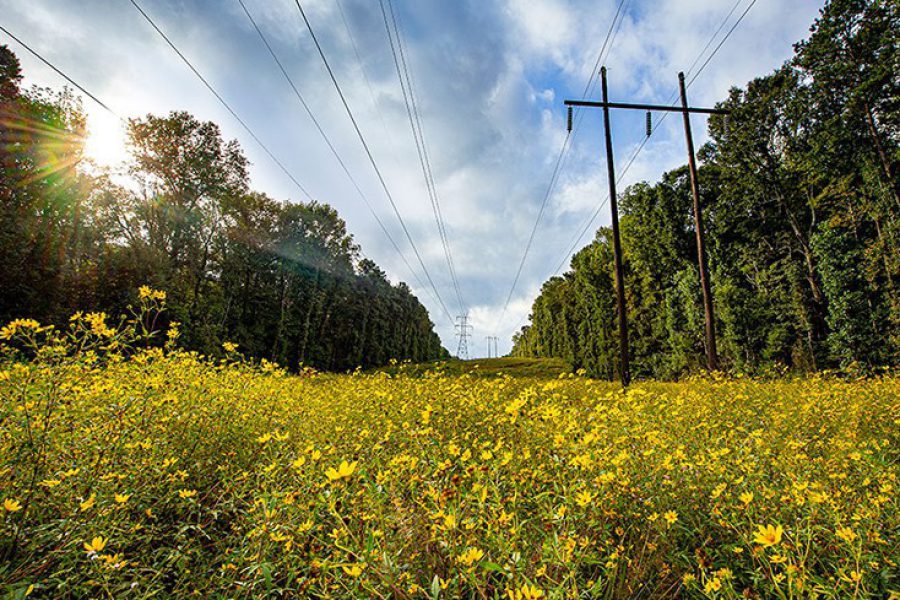
Vegetation does not stop growing because a power line runs through it. Left unmanaged, trees and brush will encroach on conductors, block access routes, reduce visibility for inspection crews, and eventually cause outages or infrastructure damage. Managing that growth is not a one-time clearing job. It is an ongoing program that needs to be planned, executed consistently, and documented properly to actually work over the long run.
At Trusty Tree Services, utility vegetation management is treated as an infrastructure protection program, not a reactive clearing service. We work with utility owners and contractors across Edmonton and Alberta to manage corridors systematically, applying the right treatment at the right time to keep clearances safe, access routes open, and return cycles predictable.
Understanding the Corridor First
Effective vegetation management starts with understanding what is actually growing in the corridor and how it behaves. Species composition, growth rates, density, terrain, and proximity to infrastructure all vary from one segment to the next. A management strategy that works well in a flat urban right-of-way may be entirely wrong for a remote, heavily wooded rural corridor.
Our crews assess corridor conditions before developing a treatment approach. That assessment covers vegetation type and density, failure potential, access limitations, soil conditions, and any environmental sensitivities that affect how and where we work. It is what allows us to apply the right method in the right place rather than defaulting to a blanket approach across the entire program.
Management Techniques We Use
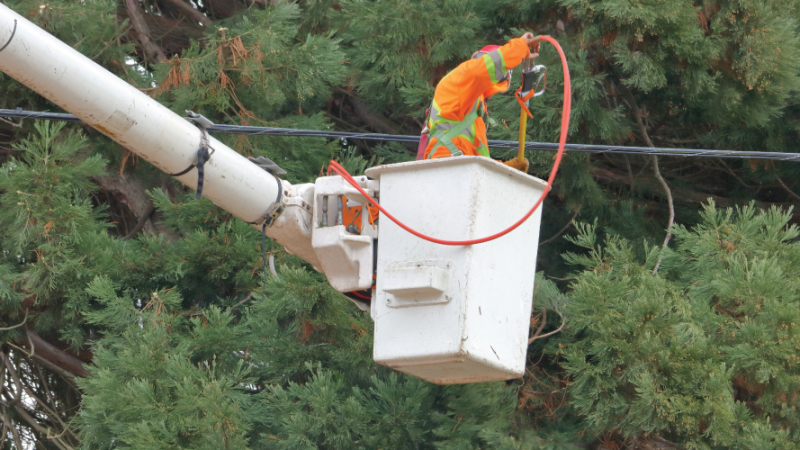
Directional Pruning
Where trees can be retained, directional pruning guides future growth away from conductors rather than encouraging regrowth straight back toward them. Done correctly, it extends clearance longevity, reduces the frequency of return cycles, and supports healthier tree structure in the corridor. It is the preferred approach when retention is appropriate and the species responds well to pruning.
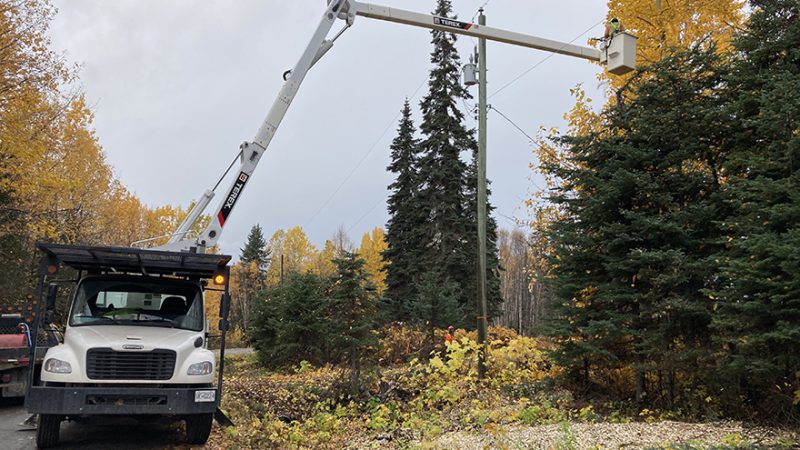
Selective Removal
Some species present recurring conflicts regardless of how they are pruned. Others carry failure risk that makes retention impractical near energized infrastructure. Selective removal targets those individuals or species while leaving lower-conflict vegetation in place, improving the overall composition of the corridor over time and reducing the workload on future maintenance cycles.
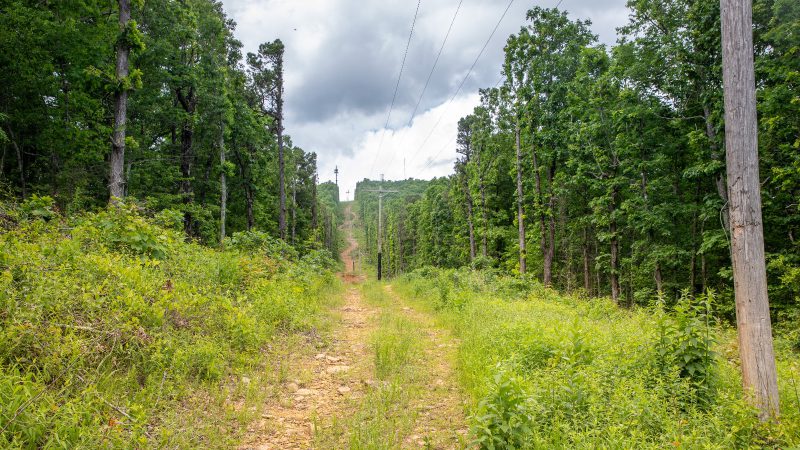
Brush and Low-Growth Management
Keeping brush and understory growth under control maintains access routes, improves visibility for inspection and maintenance crews, and reduces the fuel load in the corridor. It also supports drainage function and reduces erosion risk in areas where vegetation management has disrupted surface stability. This work is often completed alongside pruning and removal as part of a broader corridor treatment.
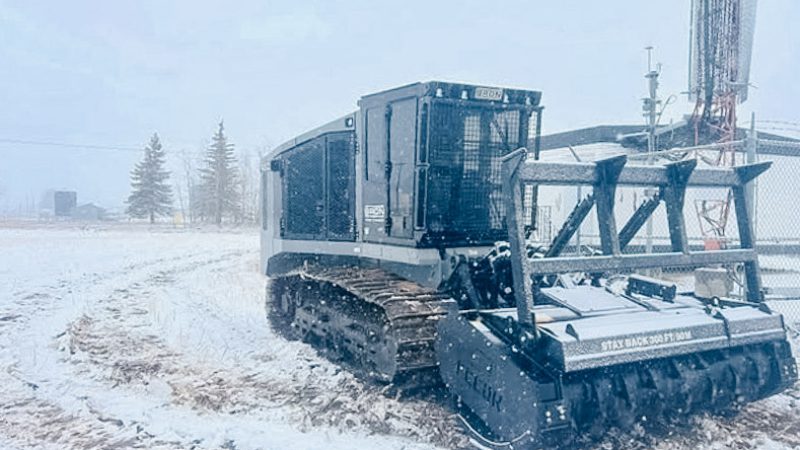
Mechanical Clearing
In segments where the volume or density of vegetation makes hand cutting and pruning inefficient, mechanical clearing with equipment like forestry mulchers allows us to manage large areas effectively while minimizing ground disturbance. This is particularly valuable in remote corridors, heavily overgrown sections, or areas where access and disposal options are limited.
Safety in the Corridor
Vegetation management happens close to energized infrastructure and often in challenging terrain. Our crews follow strict utility safety protocols, conduct pre-job hazard assessments, and maintain clear communication throughout every operation. Equipment and work methods are selected to minimize exposure and maintain controlled work zones even in constrained or remote environments.
Where environmental sensitivity is a concern, work methods are adapted to protect soil stability and surrounding vegetation. We do not treat every corridor the same, and we do not apply a standard approach where site conditions call for something different.
Equipment Built for Utility Environments
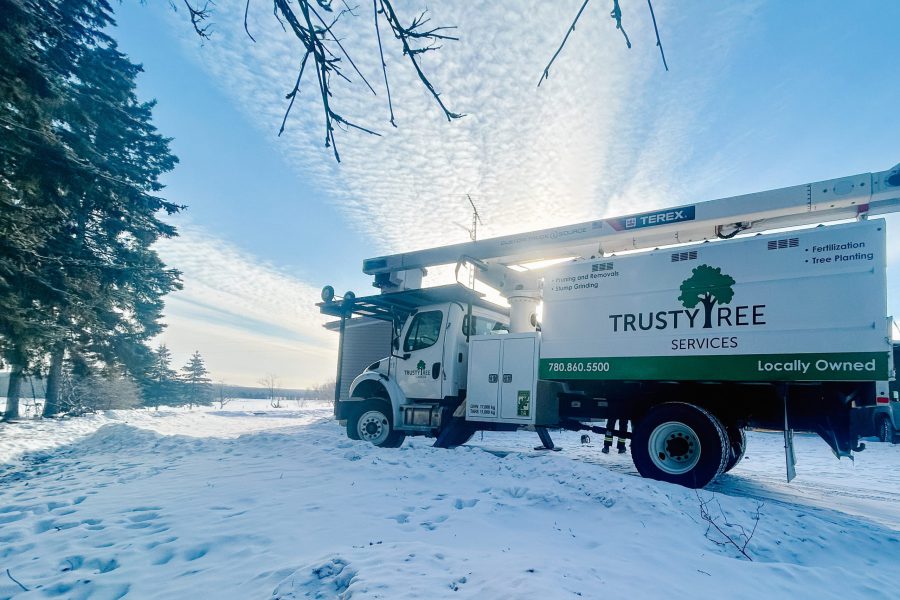
Our fleet includes bucket trucks, tracked equipment, grapple trucks, and forestry mulchers capable of operating across urban corridors, rural rights-of-way, and undeveloped terrain. Tracked machines reduce ground pressure and allow us to work on soft soils and uneven ground without causing unnecessary disturbance. Having the right equipment staged for each segment keeps the program moving efficiently and reduces overall project timelines.
Coordination and Documentation
We work closely with utility owners, prime contractors, and project managers to align on scopes of work, reporting requirements, and scheduling. Completed work is accurately recorded to support compliance, inspection programs, and long-term vegetation management planning. Clear communication ensures expectations are met across the program and performance is measurable. Where material can be processed on site through mulching or chipping, we do it to reduce hauling, truck traffic, and environmental impact.
Frequently Asked Questions
What is the difference between vegetation management and line clearance?
Line clearance focuses specifically on maintaining safe separation between vegetation and energized conductors. Vegetation management is broader. It covers the full range of treatments applied across a utility corridor, including directional pruning, selective removal, brush control, and mechanical clearing, with the goal of managing the entire corridor over the long term rather than just addressing immediate clearance concerns.
How do you determine the right treatment for each part of a corridor?
We assess each segment before recommending a treatment approach. Species composition, growth rates, density, terrain, proximity to infrastructure, and access limitations all influence which method makes the most sense. A single corridor can require several different approaches depending on what is growing and where. Applying one blanket method across an entire program is rarely the most effective or cost-efficient approach.
How does directional pruning reduce maintenance costs over time?
When pruning is done directionally, cuts are made to encourage the tree to grow away from conductors rather than back toward them. Over time, this shifts the tree’s natural growth pattern, extending the period before the corridor needs attention again. Fewer return cycles across a large program adds up to meaningful savings in both cost and crew time compared to a program that simply cuts back to a clearance distance and waits for regrowth.
Can you manage vegetation in environmentally sensitive areas?
Yes. In environmentally sensitive areas, we adapt our work methods to protect soil stability, minimize disturbance to surrounding vegetation, and reduce erosion risk. Equipment selection plays a big role here. Tracked machines with lower ground pressure are used where soil conditions are sensitive, and on-site mulching reduces the need for hauling while supporting natural decomposition and corridor stability.
What documentation do you provide for a vegetation management program?
We provide accurate records of completed work for each segment of the program, including treatments applied, locations, and any site-specific observations. This documentation supports compliance reporting, inspection programs, and long-term vegetation management planning. We work with utility owners and prime contractors to align our reporting format with whatever their internal requirements are.