
Line Clearance for Alberta Utility Corridors
Vegetation growing into overhead electrical and communication infrastructure is one of the leading causes of outages, service disruptions, and infrastructure damage. Keeping those corridors clear is not a once-in-a-while job. It takes a disciplined, ongoing program carried out by crews who understand the stakes of working around energized lines. That is what we do.
At Trusty Tree Services, line clearance is treated as mission-critical infrastructure support. We work with utility providers across Edmonton and Alberta to maintain safe, reliable clearances using trained crews, purpose-built equipment, and a safety-first approach on every job.
How We Approach Line Clearance
Every line clearance job starts with a thorough assessment of the corridor. We look at what is growing, how fast it is growing, how close it is to conductors, and what the terrain and access situation looks like. That assessment shapes the entire approach. Species, growth rates, site conditions, and proximity to infrastructure all factor into which method makes the most sense and how frequently the corridor will need attention.
We then align our scope with the applicable utility standards and safety requirements before any crew sets foot on site. Pre-job planning, tailgate meetings, and clear communication are standard practice on every operation, not an afterthought.
Safety Around Energized Infrastructure
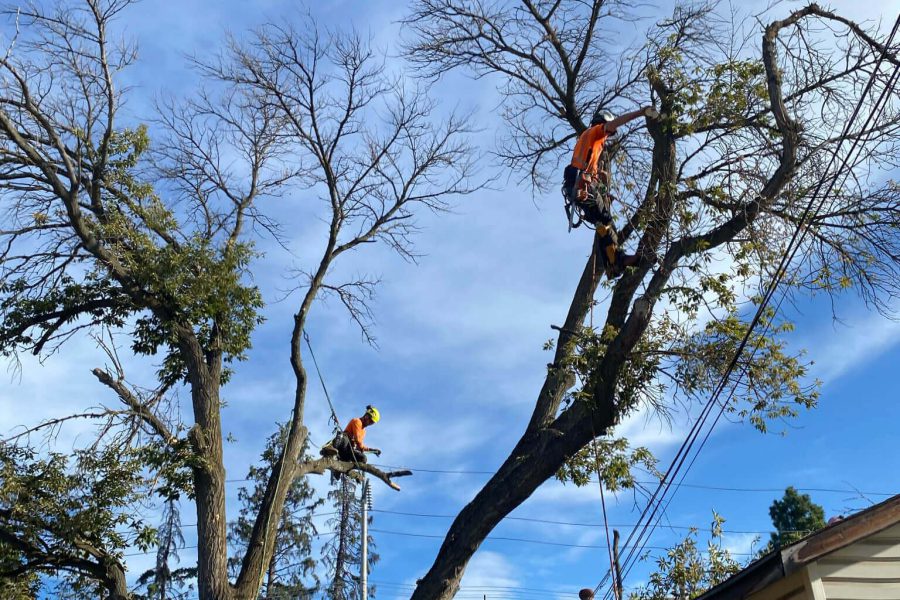
Working near energized lines is not the same as working in a backyard. It requires specialized training, strict adherence to minimum approach distances, insulated equipment, and a level of situational awareness that has to be consistent, not just situational. Our utility-focused crews are trained specifically for this environment and follow established safety protocols on every job, every time.
Hazards are identified before work begins, controlled work zones are established, and communication stays clear throughout the operation. There are no shortcuts around energized infrastructure, and we do not take any.
Directional Pruning vs. Removal
Directional Pruning
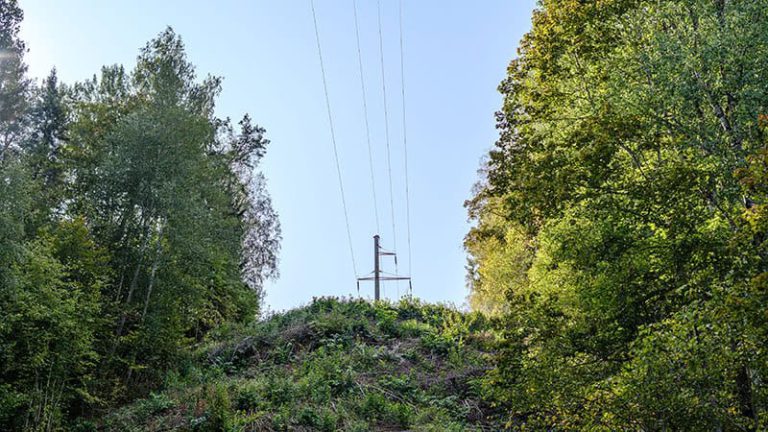
Where trees can be retained, we use directional pruning techniques to guide future growth away from conductors rather than straight back toward them. This approach extends clearance longevity, reduces return-cycle frequency, and supports healthier tree structure. It is the smarter long-term play when the tree is not posing an unmanageable risk.

Removal When Required
When a tree needs to come out, it gets done in a controlled, disciplined way. Dismantling near conductors and infrastructure demands precise rigging and mechanical control. We use proven systems to manage loads and prevent uncontrolled movement, protecting the surrounding infrastructure and property throughout the process.
Equipment Built for Utility Work
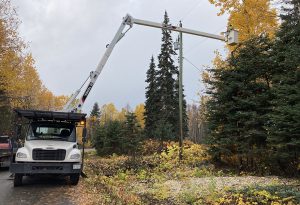
Urban corridors, rural rights-of-way, and remote terrain all present different challenges. Our fleet is built to handle them. Bucket trucks, tracked equipment, grapple trucks, and forestry mulchers allow us to work efficiently across a wide range of environments while minimizing ground disturbance and keeping project timelines on track.
Documentation and Coordination
Utility work runs on clear records and tight coordination. We work closely with utility providers, prime contractors, and project managers to align on scopes of work, reporting requirements, and scheduling. Completed work is accurately documented to support compliance, asset management, and long-term vegetation management planning. You know what was done, where it was done, and when.
Frequently Asked Questions
What is the difference between line clearance and regular tree pruning?
Standard tree pruning focuses on tree health, aesthetics, and hazard reduction for property owners. Line clearance is a utility-specific service performed near energized electrical and communication infrastructure. It requires specialized training, strict safety protocols, minimum approach distances, and compliance with utility standards. The techniques and equipment used are purpose-built for working in active utility corridors, not residential yards.
How often does line clearance need to be done?
It depends on the species growing in the corridor, local growth rates, and the clearance standards set by the utility. Fast-growing species in high-growth conditions may need attention every few years. Using directional pruning helps extend the time between return cycles by guiding growth away from conductors rather than straight back toward them. A proper assessment of corridor conditions helps establish a realistic maintenance schedule.
Can you work around live energized lines?
Yes. Our utility crews are trained specifically to work in proximity to energized infrastructure following established safety protocols, including maintaining required minimum approach distances, using insulated equipment where required, and following approved work methods. Pre-job planning and hazard identification are mandatory steps before any work begins near energized lines.
What documentation do you provide after a line clearance project?
We provide accurate records of completed work including locations, methods used, and scope details. This documentation supports utility compliance requirements, asset management tracking, and long-term vegetation management planning. For larger programs, we work with utility owners and prime contractors to align reporting formats with their specific requirements.
Do you work in remote or difficult-to-access corridors?
Yes. Our equipment fleet includes tracked machines designed to operate on uneven terrain, soft soils, steep slopes, and in areas where conventional vehicle access is limited. Whether the corridor runs through urban infrastructure, rural farmland, or undeveloped terrain, we have the equipment and experience to work effectively without causing unnecessary ground disturbance.