Tree Health Plans for Edmonton Properties: Proactive tree care to prevent costly damage

Most tree problems do not appear overnight. Pest infestations, disease, and structural decline typically develop gradually, often for months or years before the symptoms become obvious enough to act on. By the time a tree looks visibly sick, the problem is usually well established and a lot harder to address than it would have been earlier.
That is the whole idea behind a Tree Health Plan built on Integrated Pest Management principles. Regular monitoring, early diagnosis, and targeted interventions mean you are staying ahead of problems rather than reacting to them. It is less expensive, better for the trees, and a lot less stressful than emergency work on a tree that has declined further than it needed to.

How an IPM-Based Tree Health Plan Works

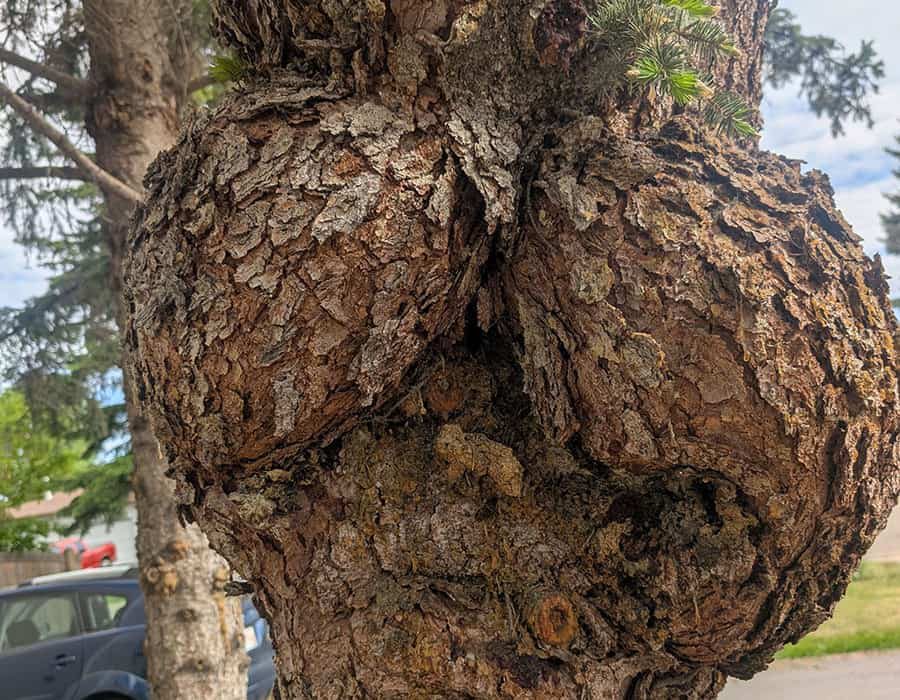
IPM starts with regular monitoring and accurate diagnosis. Our experienced team conducts routine inspections to assess overall tree vigour, leaf and needle condition, growth patterns, pest presence, disease indicators, and environmental stressors. We are looking for early signs of trouble, the kind of thing that is easy to miss if you are not trained to look for it, but straightforward to address when caught at that stage.
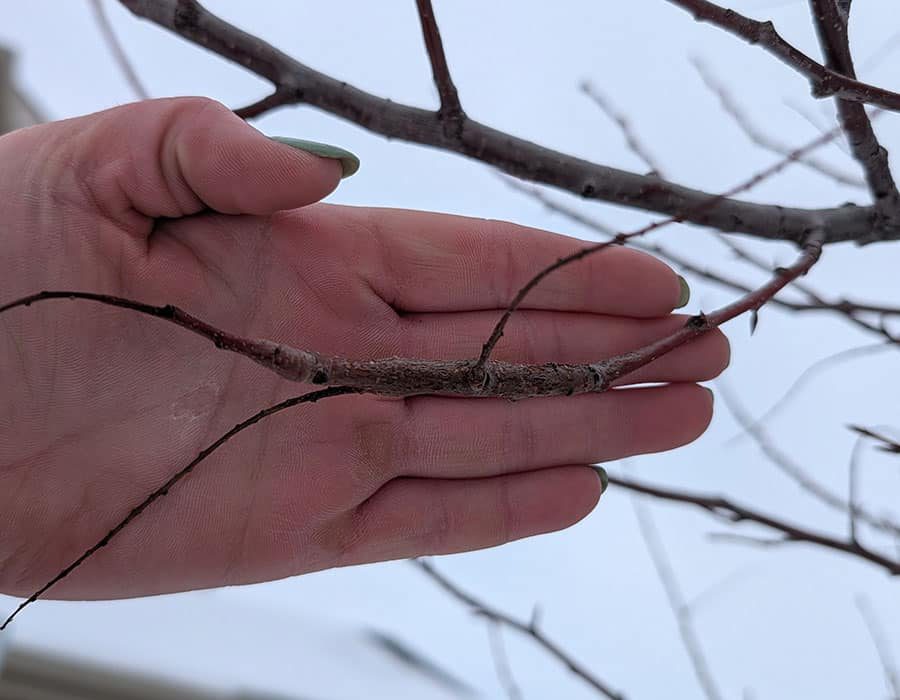
Accurate identification is essential before any treatment is recommended. Not every symptom requires chemical intervention, and misdiagnosis leads to treatments that do not work or make things worse. We evaluate site-specific factors like moisture availability, species susceptibility, and surrounding land use to determine what is actually causing the issue before putting together a response.
Tree-Health-Photo-2
Tree-Health-Photo-3

Cultural and Environmental Management Comes First

A lot of tree health issues have more to do with growing conditions than pests or disease. Compacted soil, poor drainage, incorrect planting depth, and moisture stress can all weaken trees to the point where they become vulnerable to problems they would otherwise shrug off. The foundation of every Tree Health Plan we build is addressing those underlying conditions first.
Improving soil conditions, adjusting irrigation practices, correcting planting depth, and relieving compaction often produce real improvements in tree health without any chemical treatments at all. Where fertilization and soil amendments are appropriate, we apply them strategically to support growth and resilience rather than just stimulate excessive or weak new growth.

When Treatment Is Needed, It Is Targeted and Responsible

When pest or disease pressure genuinely requires intervention, we select treatments carefully and apply them precisely. Our IPM approach prioritizes targeted applications designed to achieve control while minimizing impact on non-target organisms and the surrounding environment. Treatment timing, product selection, and application methods are all chosen based on pest life cycles, disease development, and site conditions to get the best result with the least unnecessary input.
We will never recommend a treatment that is not warranted, and we will always explain what we are applying and why before anything goes on your property.

Tree Health Plans for Every Property Type

Tree-Health-Photo-4

At Your Home

Residential Tree Health Plans give homeowners a structured, proactive approach to caring for the trees they have invested in. You get regular inspections, clear explanations of what we are finding and what it means, and a care plan that is built around your specific trees rather than a generic checklist. The goal is to help you make informed decisions about the trees on your property and avoid the kind of costly surprises that come from catching things too late.

Tree-Health-Photo-5

On Commercial Properties

For commercial and multi-unit properties, Tree Health Plans provide predictability and consistency that reactive care simply cannot. Scheduled inspections, documented observations, and planned treatments support long-term asset management and budgeting while reducing the likelihood of unexpected failures or emergency responses. Property managers get clear communication, defined service schedules, and transparent reporting that supports internal decision-making and risk management.

Set Up a Tree Health Plan for Your Edmonton Property

Whether you have trees that are already showing signs of stress or you simply want to stay ahead of problems on a property you care about, we are happy to come out and take a look. We will assess what you have, tell you honestly what we are seeing, and put together a plan that makes sense for your trees and your budget.
We serve Edmonton, Sherwood Park, St. Albert, Spruce Grove, Fort Saskatchewan, Leduc, Beaumont, and surrounding communities. Call 780-860-5500 or reach out online to get started.

Set Up a Tree Health Plan for Your Edmonton Property

Whether you have trees that are already showing signs of stress or you simply want to stay ahead of problems on a property you care about, we are happy to come out and take a look. We will assess what you have, tell you honestly what we are seeing, and put together a plan that makes sense for your trees and your budget.

We serve Edmonton, Sherwood Park, St. Albert, Spruce Grove, Fort Saskatchewan, Leduc, Beaumont, and surrounding communities. Call 780-860-5500 or reach out online to get started.

Tree Health Plans and IPM FAQ

What does IPM actually mean?

IPM stands for Integrated Pest Management. It is a structured approach to managing pests and disease that prioritizes monitoring, accurate diagnosis, and targeted interventions over routine chemical applications. The idea is to understand what is actually happening with a tree and respond accordingly, using cultural practices, environmental adjustments, and treatments only where they are genuinely warranted. It is a more informed, more responsible approach than spraying on a schedule and hoping for the best.
It depends on the trees, the site, and what we find during the initial assessment. Some properties benefit from seasonal inspections, others from annual visits. Trees that have had past pest or disease issues, or that are growing in stressful urban conditions, may warrant more frequent monitoring. We tailor the inspection schedule to what your specific situation actually calls for rather than applying a one-size-fits-all frequency.
Often yes, especially when the problem is caught early. A tree identified as having an early-stage pest infestation or disease infection has a much better recovery outlook than one where the issue has been developing undetected for a couple of seasons. This is exactly why regular monitoring is the most valuable part of a Tree Health Plan. The earlier we catch something, the more options we have and the less it typically costs to address.
No, and that is an important distinction with an IPM approach. Chemical treatments are one tool among many, and they are only recommended when monitoring and diagnosis indicate they are actually needed and likely to be effective. A lot of tree health issues respond better to improving growing conditions, adjusting irrigation, or correcting soil problems than they do to any spray or injection. We will always tell you what we are recommending and why, and we will not suggest a treatment that is not warranted.
That is actually the best time to start one. A tree that looks healthy today may have early-stage issues that are not yet visible to an untrained eye, and getting ahead of those is far less costly than dealing with them once they have progressed. Regular monitoring also builds a baseline understanding of how your trees normally look and perform, which makes it much easier to spot deviations early. Think of it the same way you would think about regular maintenance on anything else you value: it costs less and works better than waiting for something to go wrong.