
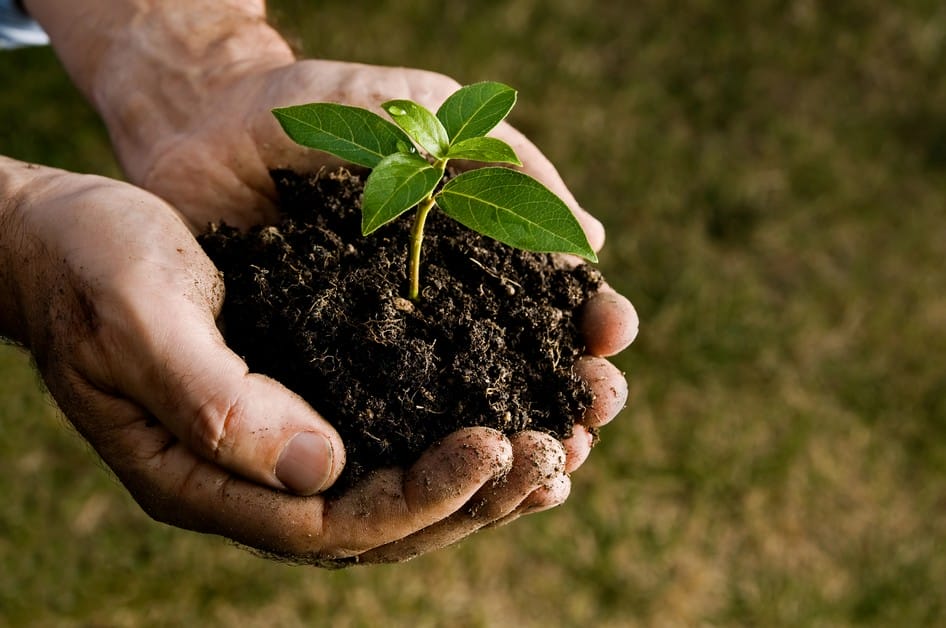
A Green Thumb’s Guide To Finding The Best Soil For Planting Trees
To ensure the long-term health of your tree, it’s important to recognize the remarkable and symbolic significance of trees in nature. With the potential to endure for centuries, they epitomize the enduring beauty of our environment. There are factors to consider in this such as, what type of tree to plant, where to plant the tree, how to plant the tree, will the tree get enough light there, and of course, what is the best soil for planting trees? The health of a tree and root growth greatly depend on the soil. Therefore, it is absolutely essential to ensure that the tree is planted in the proper soil to ensure its overall well-being.
Before you embark on this new project, Trusty Tree Services is here to provide our fellow green thumbs with a guide on how to find the best soil for planting trees. As you’ll find in this comprehensive guide, there are many different types of soils, some ideal for planting, and some not so ideal for planting. Our certified arborists are here to ensure that no matter the soil condition, there are approaches you can take to make sure that your tree not only prospers but continues to grow for the years to come.
Soil Types To Be Aware Of
Every homeowner needs to be aware of the various types of soil that exist. Moreover, it’s important to understand that certain trees require specific soil conditions to thrive. These conditions may vary based on the type of minerals and irrigation that each tree necessitates. One can identify the different soil types by various characteristics such as texture, colour, acidity, and more. In general, there are six primary soil types that one should be acquainted with. Knowing these six types can help you find the best soil for planting trees. The six primary soil types are:
- Sandy soil
- Chalky soil
- Clay soil
- Loamy soil
- Peat soil
- Silt soil
Let’s dive into the nitty-gritty about these six types of soil!
Sandy Soil
Sandy soil is typically nutrient-poor and acidic, making it one of the lightest soil types. The soil temperature is also one of the warmest. Its low water retention leads to fast drainage, but with simple adjustments, this soil can be highly productive. Adding organic materials not only boosts plant nutrients but also improves water retention, since this type is a loose soil. It’s important to note that this soil type is more prone to drying out in spring compared to other soils. Therefore, regular watering and adding a layer of mulch are essential for maintaining soil moisture levels and preventing soil erosion. Additionally, incorporating compost or well-decomposed manure can enhance the soil’s fertility and structure, promoting healthier root development and overall plant growth.
Chalky Soil
Lime-rich or chalky soils can vary in density, containing alkaline soils and calcium carbonate. Due to the lack of essential nutrients for specific trees and shrubs, it is important to select plants that can thrive in alkaline conditions if you have this type of soil. You can identify chalky soil by locating white lumps, and if you want to enhance its nutrient content, consider adding some clay soil to it. By adding clay soil to chalky soil, you can help improve its nutrient content and enhance its ability to retain moisture. The addition of clay can also help balance the pH levels and provide a more favourable environment for a wider range of plants to thrive.
Clay Soil
In the Edmonton area, heavy clay soil is common and can hinder drainage, but adding a generous amount of organic mulch can help to alleviate this issue. This soil, while nutrient-rich, has poor water drainage and is dense, making it challenging for water and air to penetrate. Its texture is smooth when dry and sticky when wet. Technically, it consists of about 25% clay particles, causing it to warm up more slowly. During summer, it tends to develop cracks, making it easily identifiable. During the winter months, the clay soil in Edmonton becomes compact and more prone to erosion due to its inability to absorb excess water. Additionally, the presence of clay can lead to uneven ground surfaces and pooling of water, making it less ideal for certain gardening activities.
Loamy Soil
Loamy soil, composed of sand, silt, and clay particles, effectively mitigates the limitations of individual soil types, resulting in high fertility and proper water drainage. It offers homeowners an affordable and excellent option for plant growth, with the possibility of high pH and calcium levels. Moreover, it can be created using existing soil with the addition of organic matter, enhancing its quality. In addition, the loamy soil’s balanced composition allows for optimal root development and nutrient uptake, which promotes healthy plant growth and high yields. This makes it a preferred choice for avid gardeners and farmers alike.
Peat Soil
Peat soil is primarily composed of organic materials and water particles, making it an exceptional soil type known for its fertility. Similar to silt soils, peat soil is a rare find. It surpasses expectations when it comes to choosing the optimal soil for planting trees, especially for newly planted and young trees. The conditions it offers are nothing short of excellent. Not only does peat soil retain moisture exceptionally well, but it also provides a rich source of nutrients for the trees to thrive. This makes it a highly desirable option for nurturing young trees and promoting healthy growth.
Silt Soil
Pure silt soils are a rare and valuable soil type due to their unique characteristics. They have a smooth, soapy texture that does not clump up, and their particle size falls between that of clay and sand. Notably, they possess exceptional water retention capabilities and are highly fertile. These exceptional soils are commonly found near bodies of water, such as lakes and rivers. Silt soils are particularly valued in agriculture for their ability to retain moisture and nutrients, making them ideal for growing a wide variety of crops. Additionally, their fine texture allows for good drainage and aeration, promoting healthy root development for plants.
Soil Testing
Besides analyzing the soil’s physical properties and remedying poorly drained soils, conducting a soil test is crucial for identifying which nutrients should be applied and whether pH adjustments are necessary. This will help you find the best soil for planting trees. It’s best to collect a soil sample several weeks before planting to properly address soil treatment at planting time. If new soil is introduced at planting or if soil is redistributed during the final grading, it’s advisable to wait until all the soil is in place before sampling. pH adjustment and surface application of fertilizer can be done later, after the plants are established, following the recommended rate.
Inspect The Native Soil Where You’re Planting Your Tree
Make sure to assess the soil before planting your tree. This will help you determine the soil type it requires, and ensure its successful growth. Additionally, conducting a soil assessment can identify potential hazards in the area, enhancing the safety of your planting venture. When you’re looking for the best soil for planting trees, the best soils are:
- Silt
- Loamy
- Peat
For most homeowners, the optimal choice is to opt for loamy soil, as it can usually be created easily on your own through soil amendments.
Choose A Type of Tree That Will Work In The Native Soil
Now that you are aware of the different types of soil, you can find the best soil for planting trees. We’ve compiled a list of some of the most common trees that thrive in Edmonton weather conditions and soil conditions. This list of trees is not only beautiful but will also be able to adapt to the native soil found in the area. Some popular choices include mountain ashes, maples, and burr oaks, which are all known for their ability to withstand different soil types and weather conditions commonly found in Edmonton.
- Silver Maple: Renowned for its stunning autumn colours, this rapidly growing tree swiftly offers ample shade. Its ability to thrive in diverse soil conditions makes it an adaptable and appealing option for gardens in Edmonton.
- Mountain Ash: One of the most visually stunning trees in Edmonton is distinguished by its vibrant red berries and captivating autumn hues. Not only is it aesthetically pleasing, but it also serves as a magnet for wildlife.
- Burr Oak: Renowned for its durability and long lifespan, this impressive tree showcases a broad canopy and deep green leaves that transform into a beautiful yellow-brown hue in the fall.
- Parkland Pillar Birch: With its ability to withstand even the harshest winter conditions, this tree is truly unbeatable, especially in Edmonton. Not only that, but its magnificent appearance, boasting a sleek white bark, makes it the perfect choice for compact areas.
- Larch: Larches, unlike the majority of conifers, are deciduous. They shed their needles in the fall, creating a stunning display of brilliant yellow foliage.
Trusty Tree Services—Edmonton’s Certified Arborists
Trusty Tree Services is the ultimate solution for all your tree-related needs in Edmonton. Our team consists of professional, certified arborists who are dedicated to providing exceptional service to give you peace of mind. Whether you require tree pruning, removal, or planting services, Trusty Tree Services is the answer. We can help you find the best soil for planting trees for a successful planting. Our skilled arborists will carefully evaluate your trees and ensure they receive the necessary care for healthy growth. With our expertise and unwavering commitment to safety, we are fully equipped to handle any tree-related concerns you may have. Being a local business based in Edmonton, we specialize in delivering top-notch tree care services tailored to the unique requirements of residential, commercial, and municipal properties. Here is a glimpse of what our company can offer you and your property:
- Tree Cabling and Bracing
- Plant Trees
- Edmonton Tree Assessment Services
- Tree Trimming
- Tree Removal
- Tree Pruning
- Stump Removal
- Year-Round Grounds Maintenance
- And so much more!
Get in touch with us today to discuss any questions you may have about your soil type, and how we can help with not only tree growth, but with its maintenance too!