
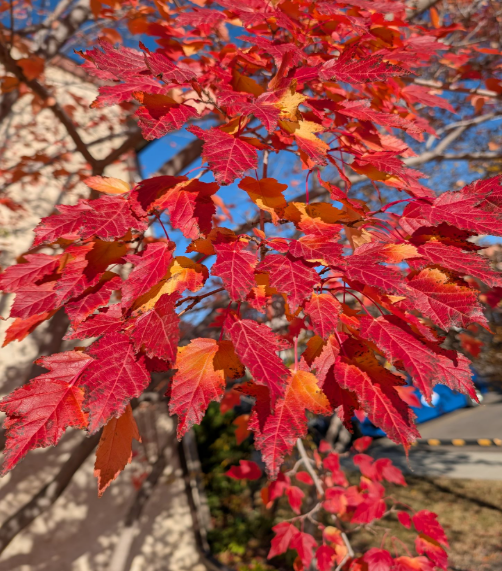
Have you ever looked at a tree in your yard and noticed that half its leaves are bright yellow while the other half are still green? Meanwhile, another tree across the street might already be glowing red and orange. This may feel like nature is following its own mysterious schedule, but in reality, several factors are responsible for when leaves change colour. Understanding these offers notable clues about tree health in Edmonton, especially as the seasons shift and winter approaches.
Different Trees Follow Different Timetables
When it comes to the colour of leaves, the first thing to know is that not all trees change their colour at the same time. Every species has its own seasonal pattern. For instance, aspens are known for their brilliant golden-yellow leaves, while some maples can produce striking shades of red and orange. There are other trees that turn brown quickly or drop their leaves with relatively little colour.
To add to this, even trees of the same species can change colours at different times. A tree growing in an exposed/ sunny area may respond differently from one sheltered beside a house. In other words, their genetic makeup, location, and growing conditions play a part in it. This is why comparing every tree in your neighbourhood can be quite misleading.
How Sunlight and Temperature Affect Fall Colours
As daylight hours shorten in the fall, trees begin preparing for winter. They gradually stop producing as much chlorophyll: the green pigment that helps leaves capture sunlight and make food. As the green fades, yellow and orange pigments that were already present become more visible.
That said, some trees also produce red pigments during this period. However, the amount/ intensity of these pigments depends on the weather conditions as well. Cool nights and sunny days can encourage stronger red colouring in certain species, while warm weather may delay the change. Moreover, an early cold snap can speed up leaf drop before the brightest colours appear.
That is not all. Sunlight exposure matters as well. So, leaves on the sunny side of a tree may change colour differently from those growing in the shade.
Can Early Colour Changes Signal a Tree Problem?
In some cases, it does. Although seasonal changes are expected, leaves turning brown, yellowing unusually early, or falling well before other trees deserve a closer look.
Drought is one possible cause. If a tree hasn’t received enough moisture during the growing season, it may shed leaves early. This helps it reduce water loss. Root damage, compacted soil, disease, and insect activity can also, at times, affect leaf colour and timing.
Are the branches losing leaves unevenly? Is the canopy thinning? Are there dead twigs, damaged bark, or branches that failed to produce leaves earlier in the year? Answers to these questions can help you gauge or assess tree health better.
Every Leaf Tells a Story: Know What Your Trees Are Saying
Healthy trees are generally better prepared to handle seasonal changes and winter conditions. During dry periods, provide appropriate watering. However, at the same time, take care not to leave the soil waterlogged. It’s also helpful to have the trees inspected from time to time. Avoid cutting large tree limbs yourself. If colour changes seem unusually early or are accompanied by declining branches, reaching out to a reliable arborist in Edmonton is a wise decision.
Changing leaf colours sure look magical, but unusual discoloration or early leaf loss may leave you wondering whether your tree needs attention. At Trusty Tree Services, we help property owners understand their trees’ needs through professional tree health assessments. Our ISA-certified arborists offer honest advice and recommend the right care.
Have questions about your trees? Call us at 780-860-5500 to discuss your tree care needs and request a free quote.